BOOKS
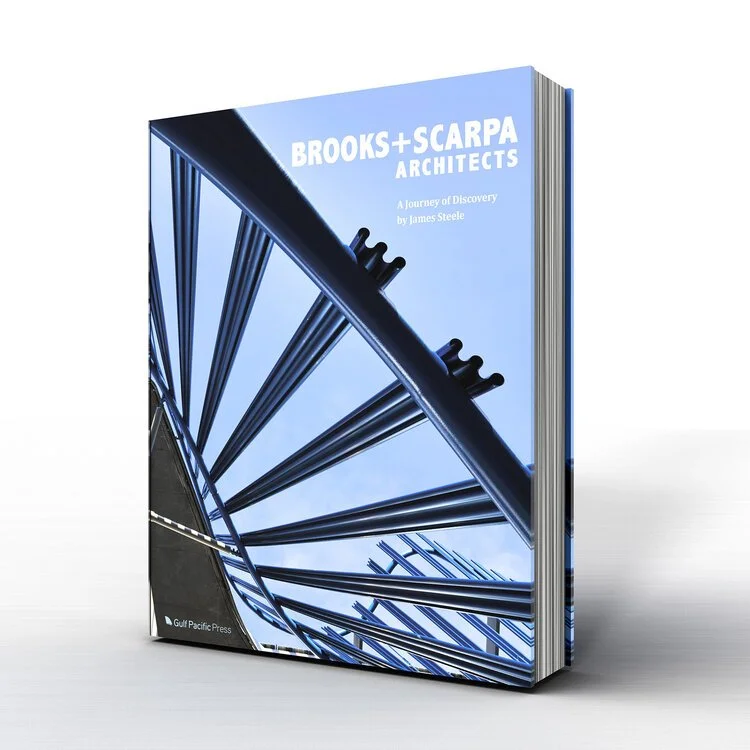
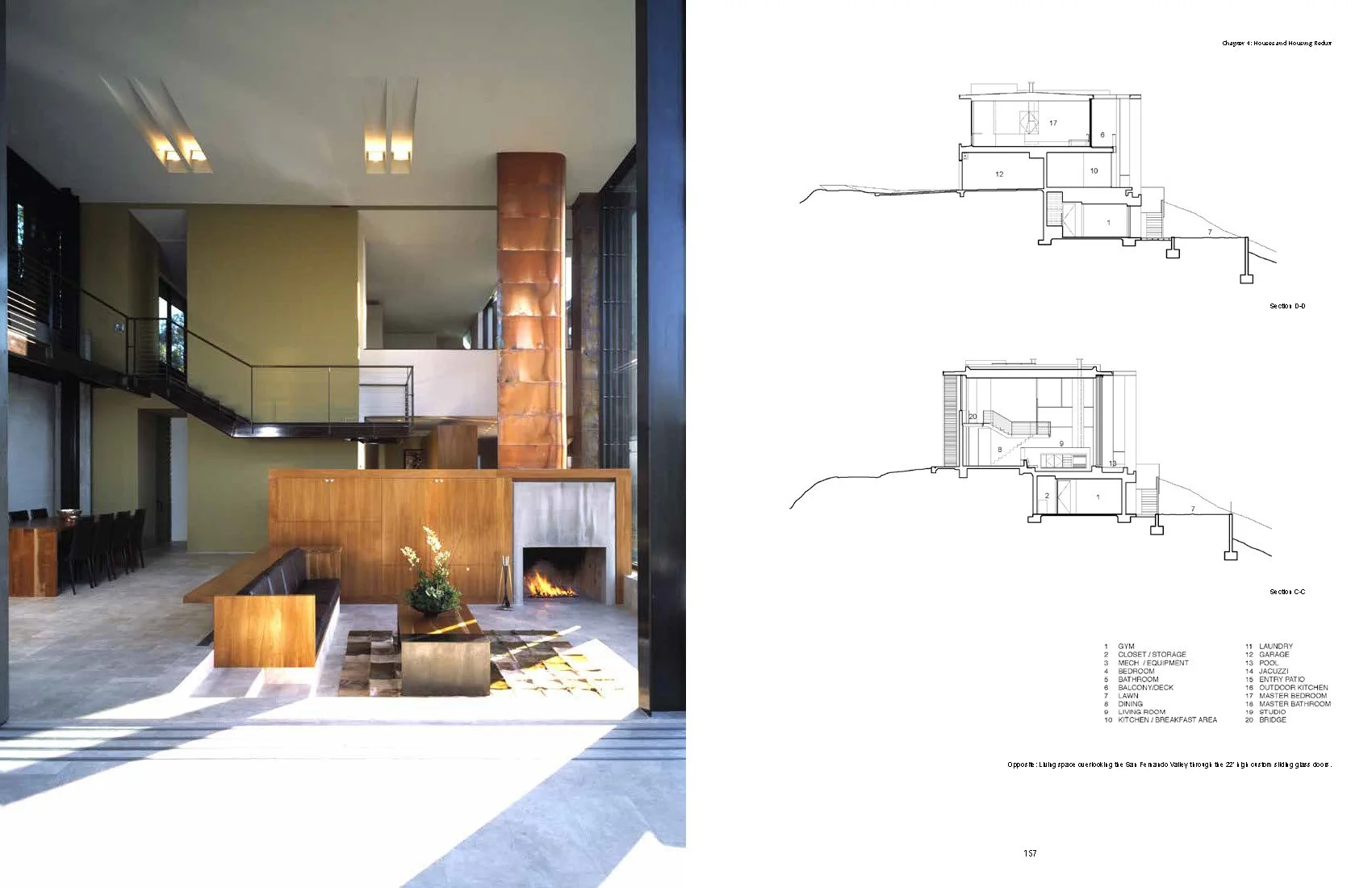
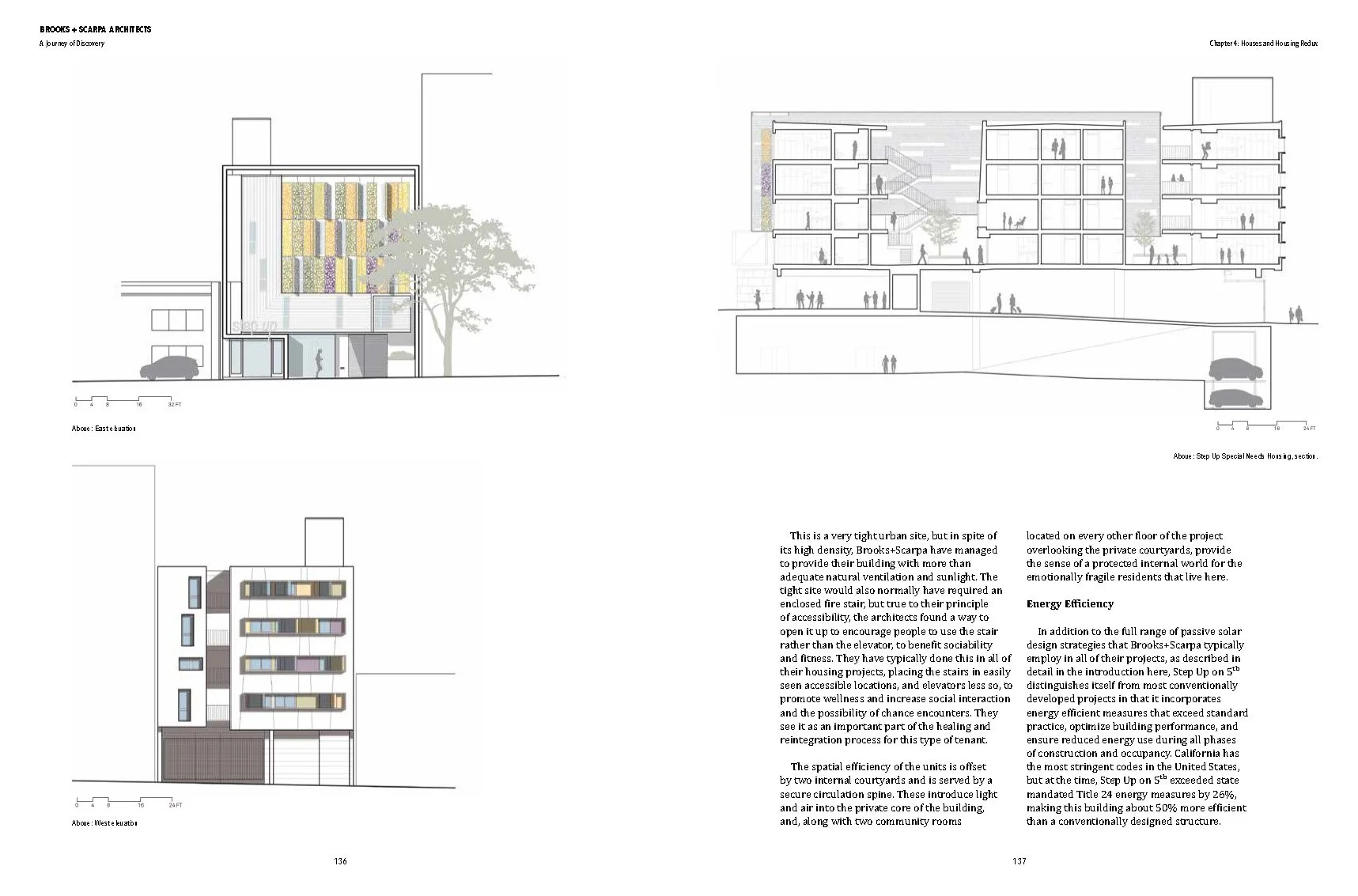
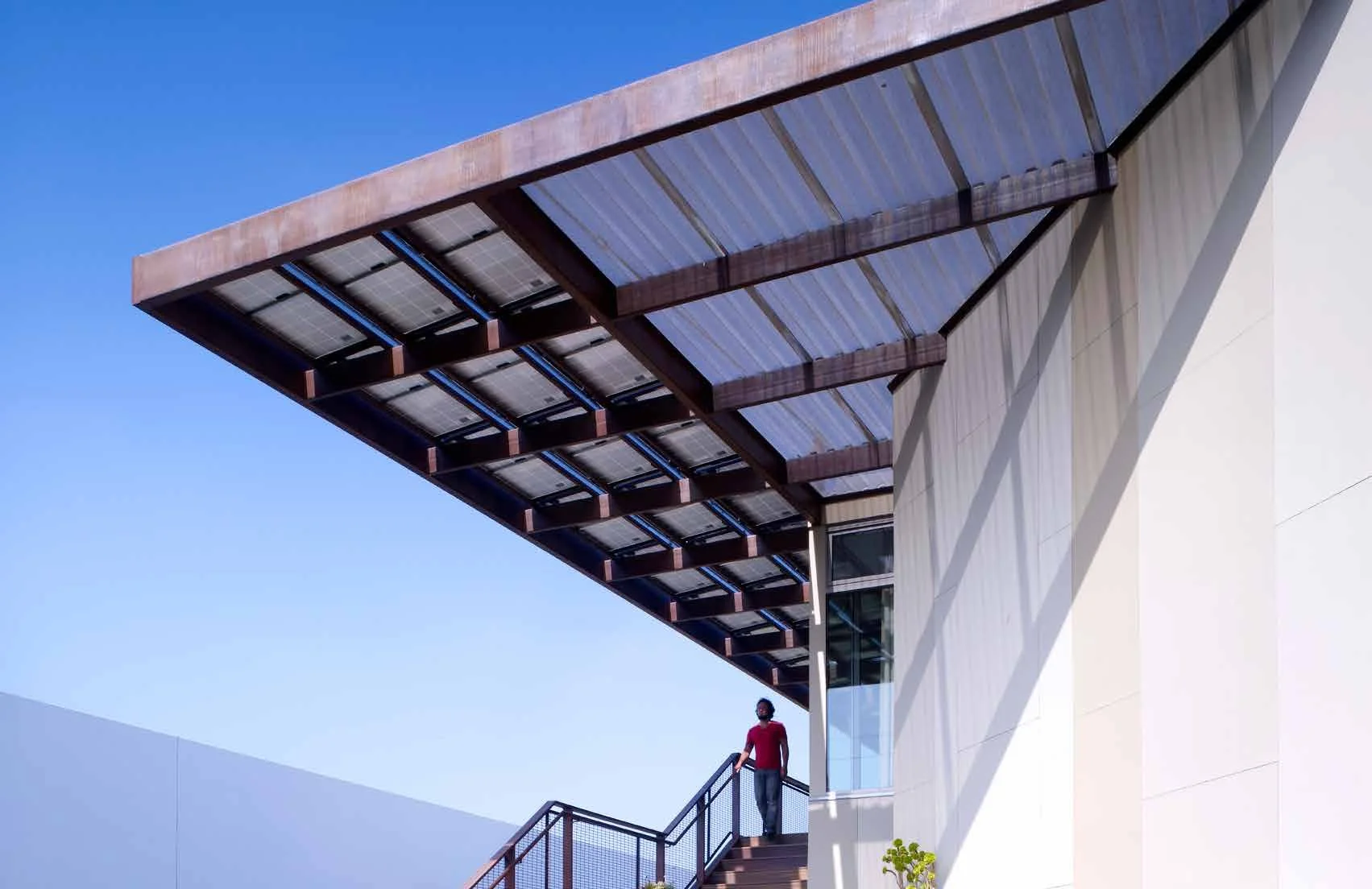
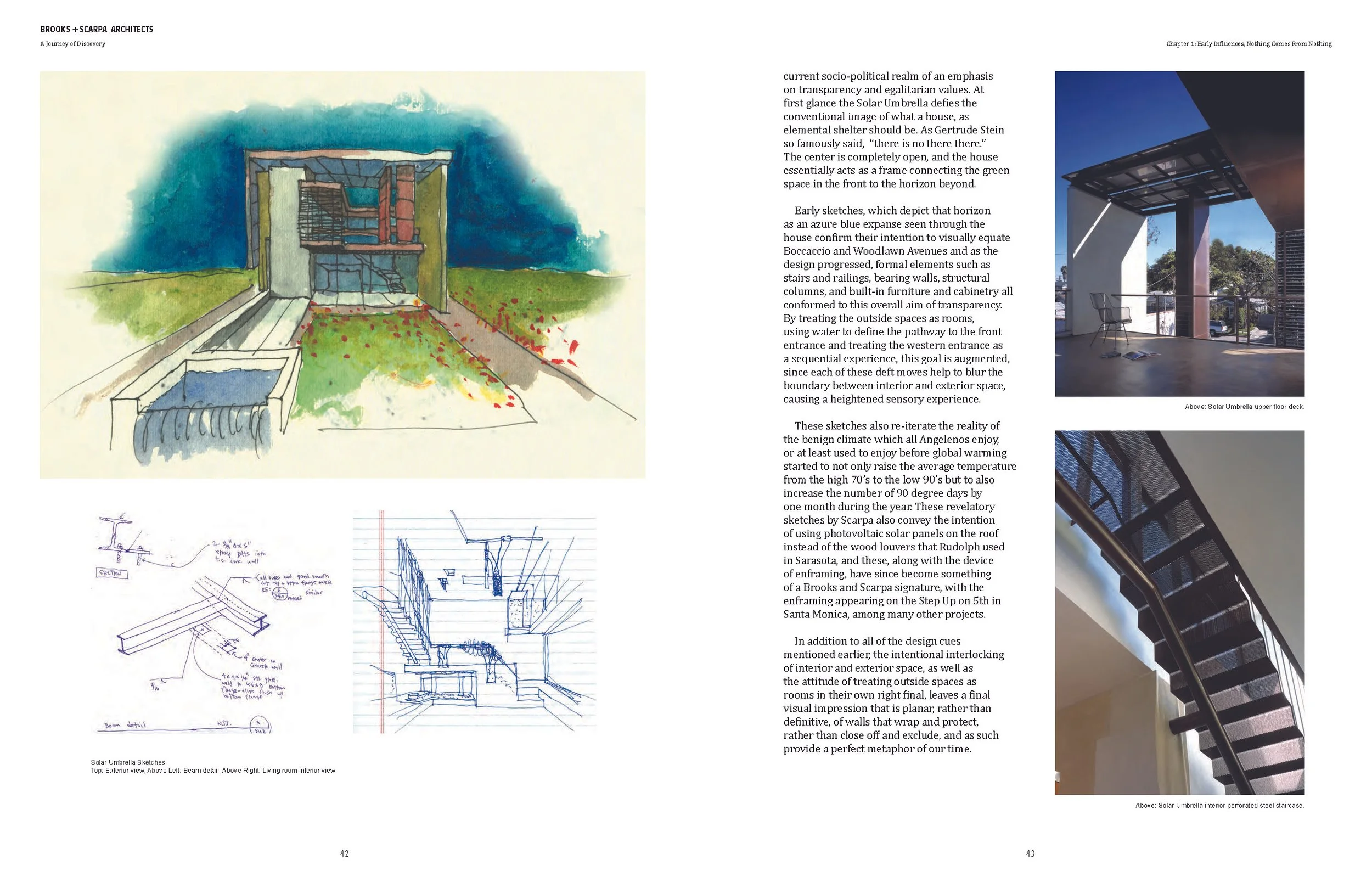
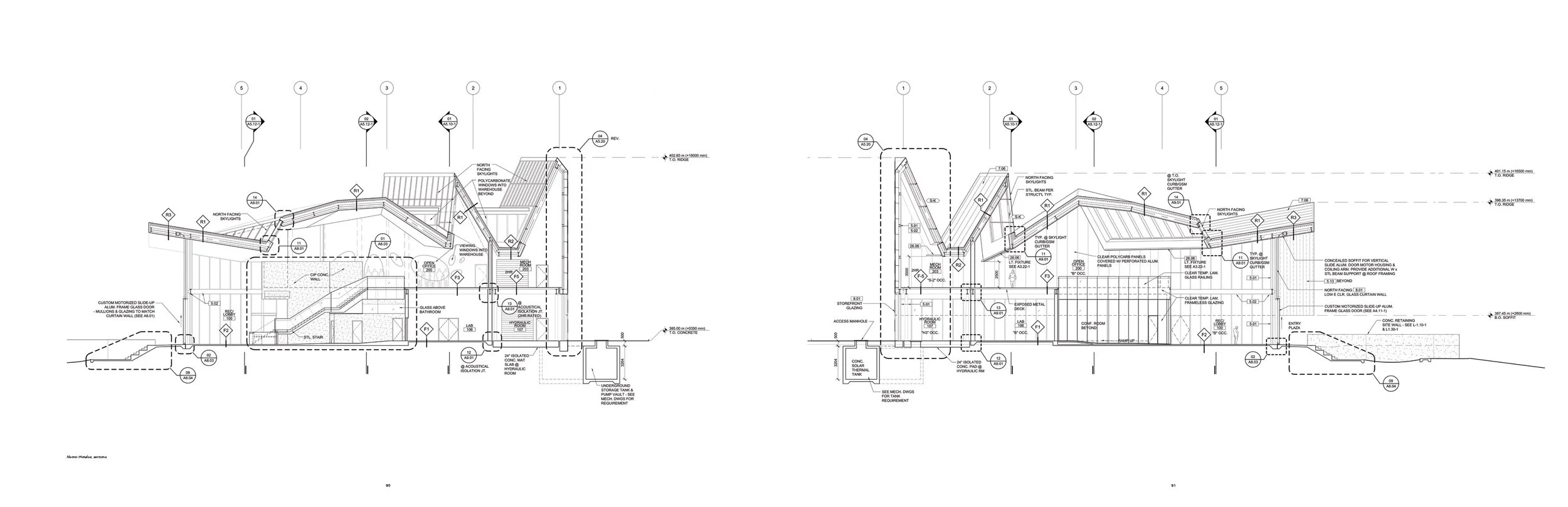
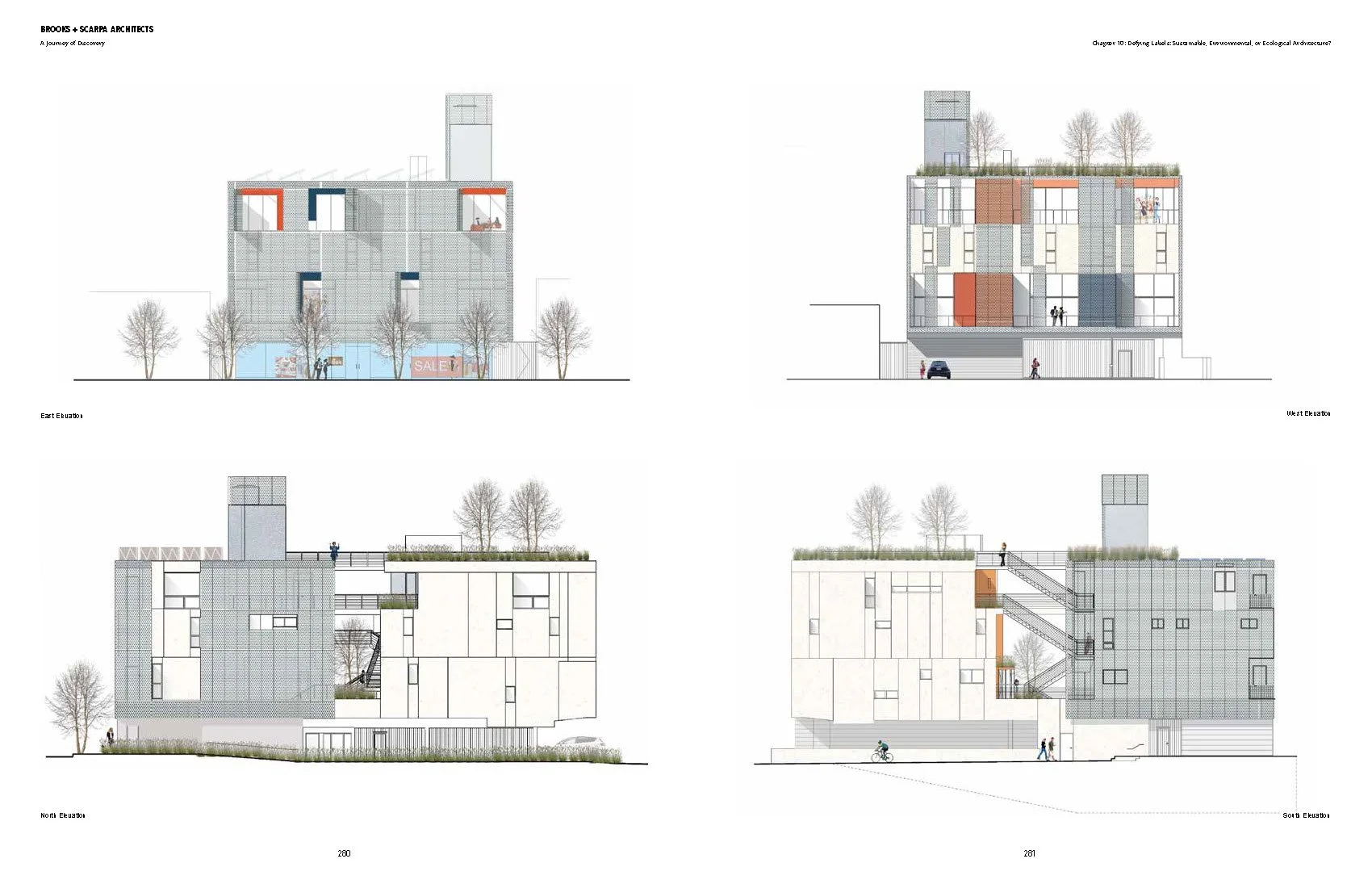
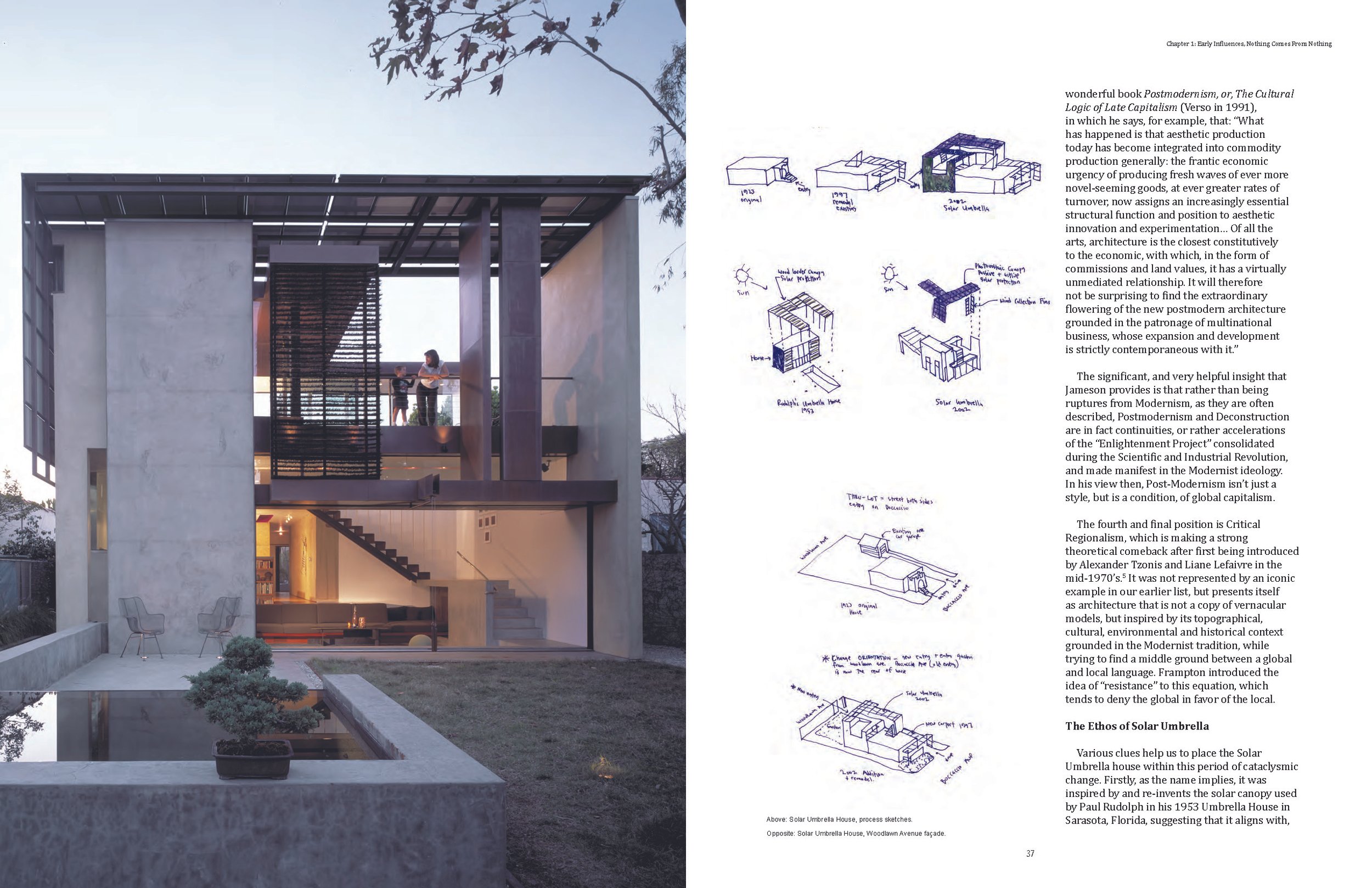
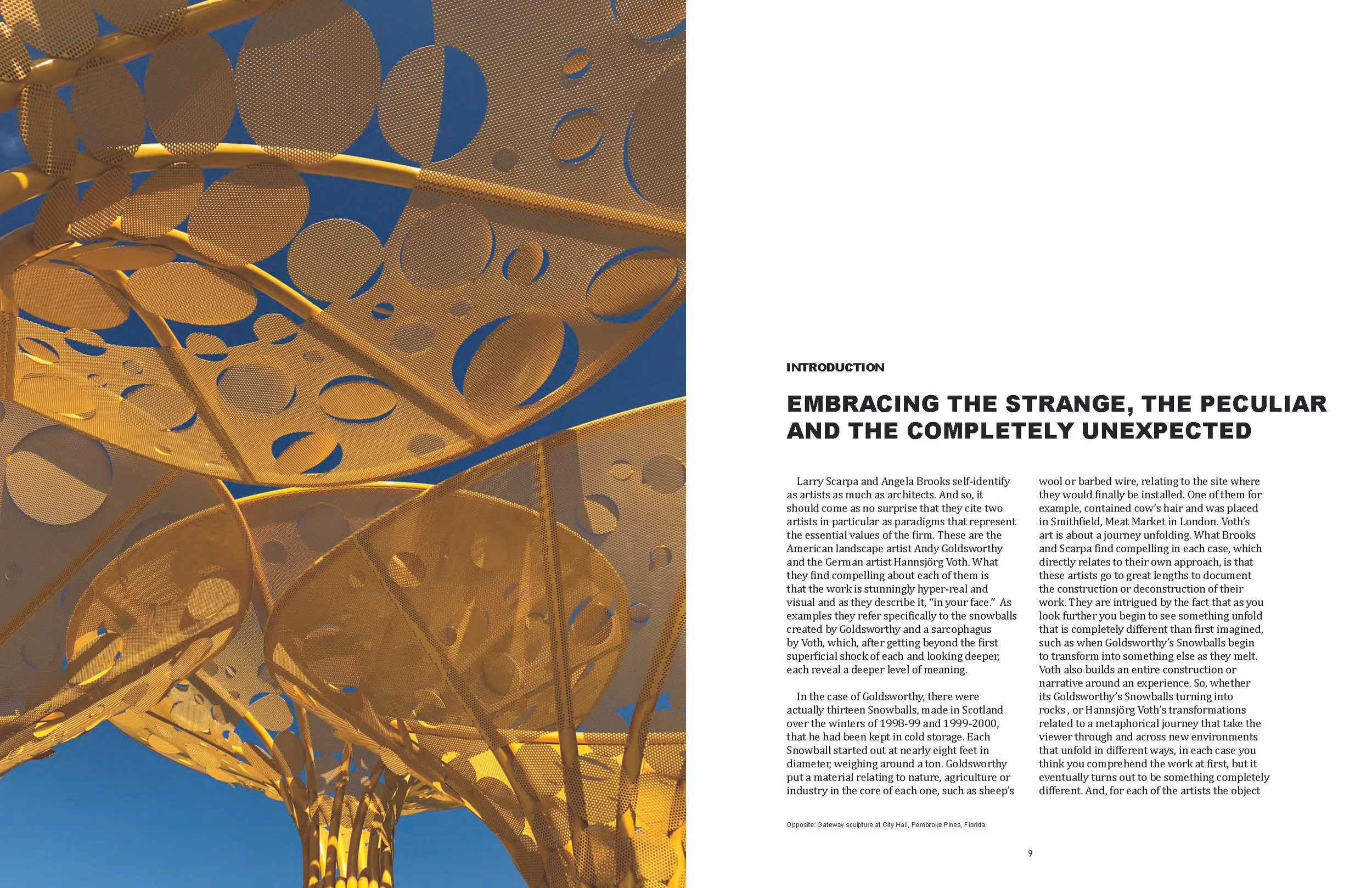
Rooted in a discussion about the essential processes behind the ways in which our physical environment is created, this book explores how Brooks + Scarpa challenges conventional approaches to design today to more fully enhance the human experience. By reworking the processes of design and building - with material, form, construction, and even financing - the firm culls out latent potentials to make the 'ordinary, extraordinary.' Honored with the 2022 AIA Gold Award, the firm is a multi-disciplinary practice that includes architecture, landscape architecture, planning, environmental design, materials research, graphic, furniture and interior design services that produces innovative, sustainable iconic buildings and urban environments.
Hardcover.
314 Pages.
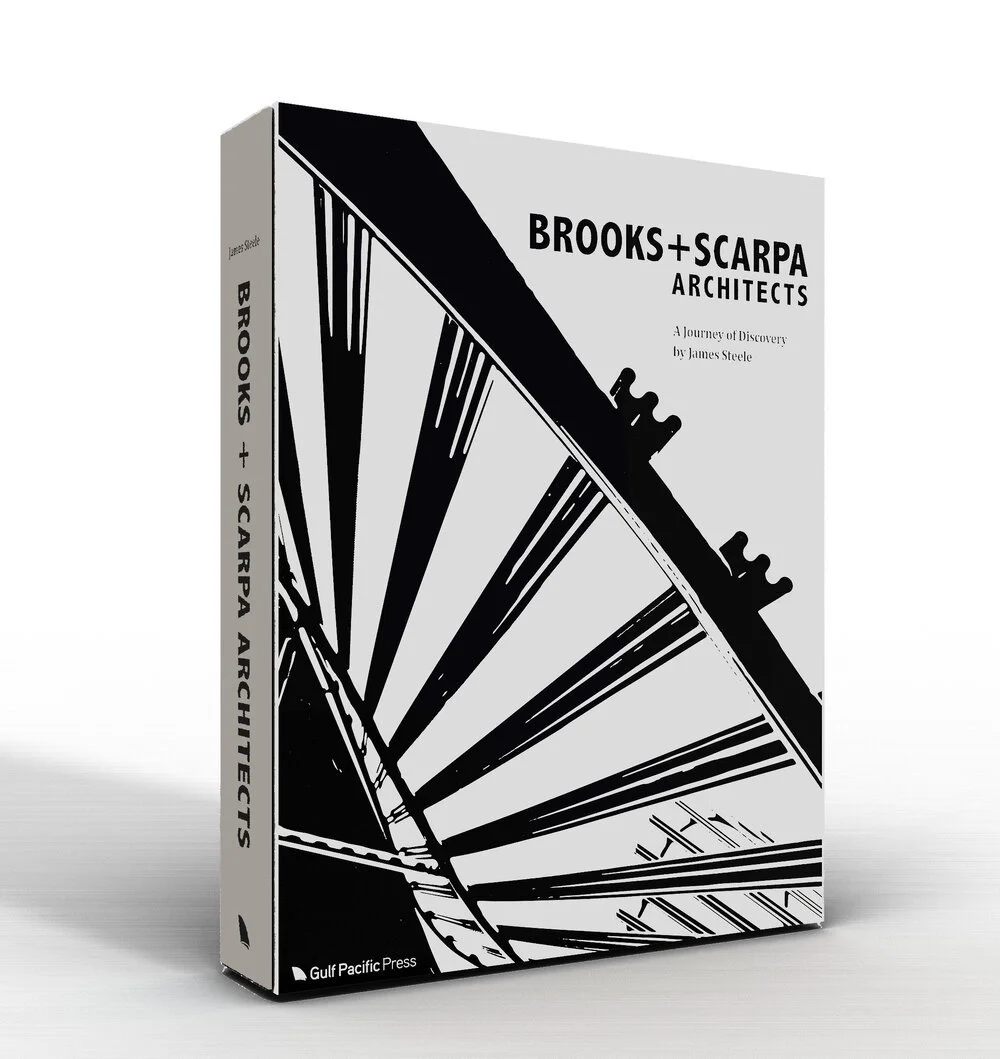
Rooted in a discussion about the essential processes behind the ways in which our physical environment is created, this book explores how Brooks + Scarpa challenges conventional approaches to design today to more fully enhance the human experience. By reworking the processes of design and building - with material, form, construction, and even financing - the firm culls out latent potentials to make the 'ordinary, extraordinary.' Honored with the 2022 AIA Gold Award, the firm is a multi-disciplinary practice that includes architecture, landscape architecture, planning, environmental design, materials research, graphic, furniture and interior design services that produces innovative, sustainable iconic buildings and urban environments.
This book is the limited edition version.
Embossed Hardboard Cover.
314 Pages.
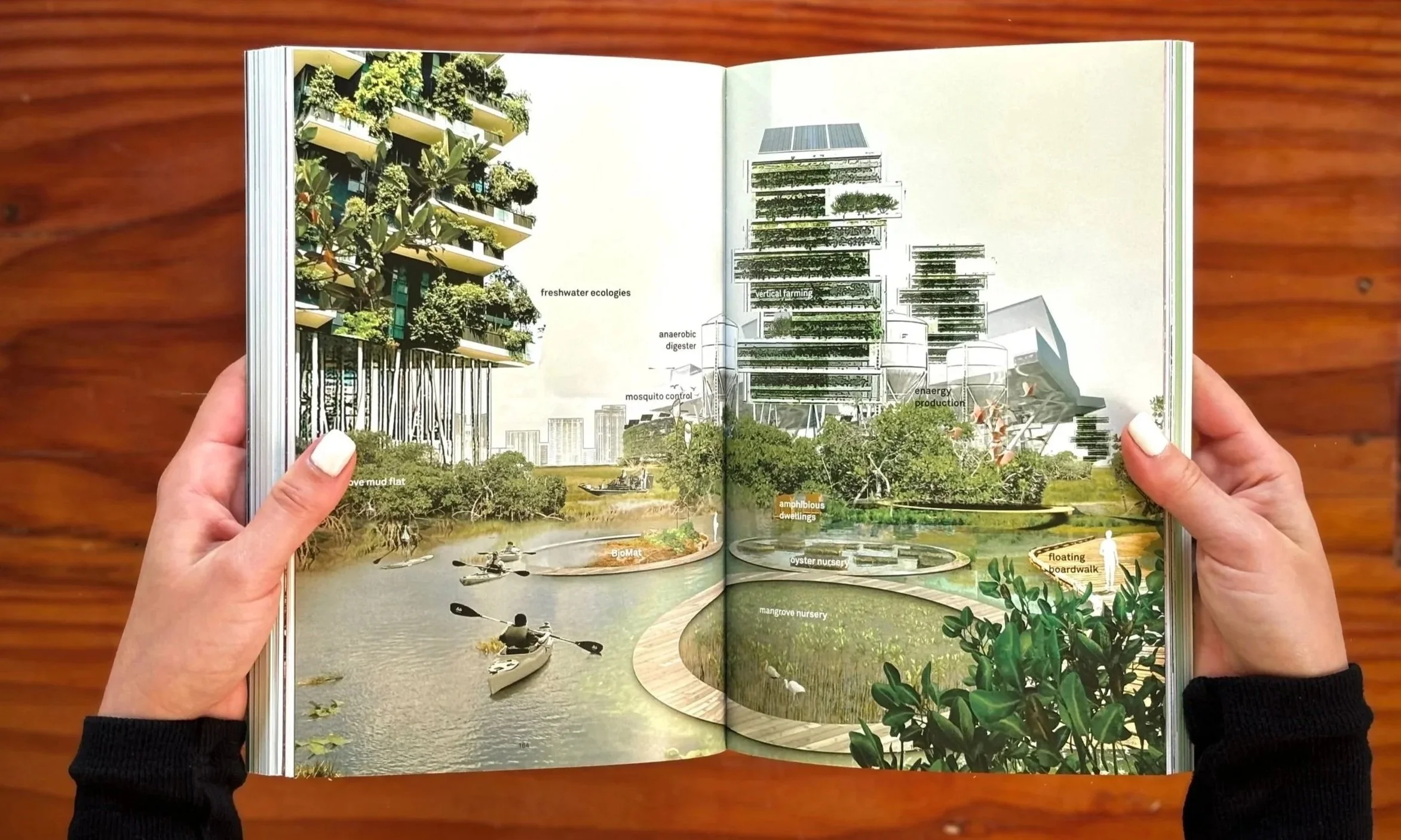
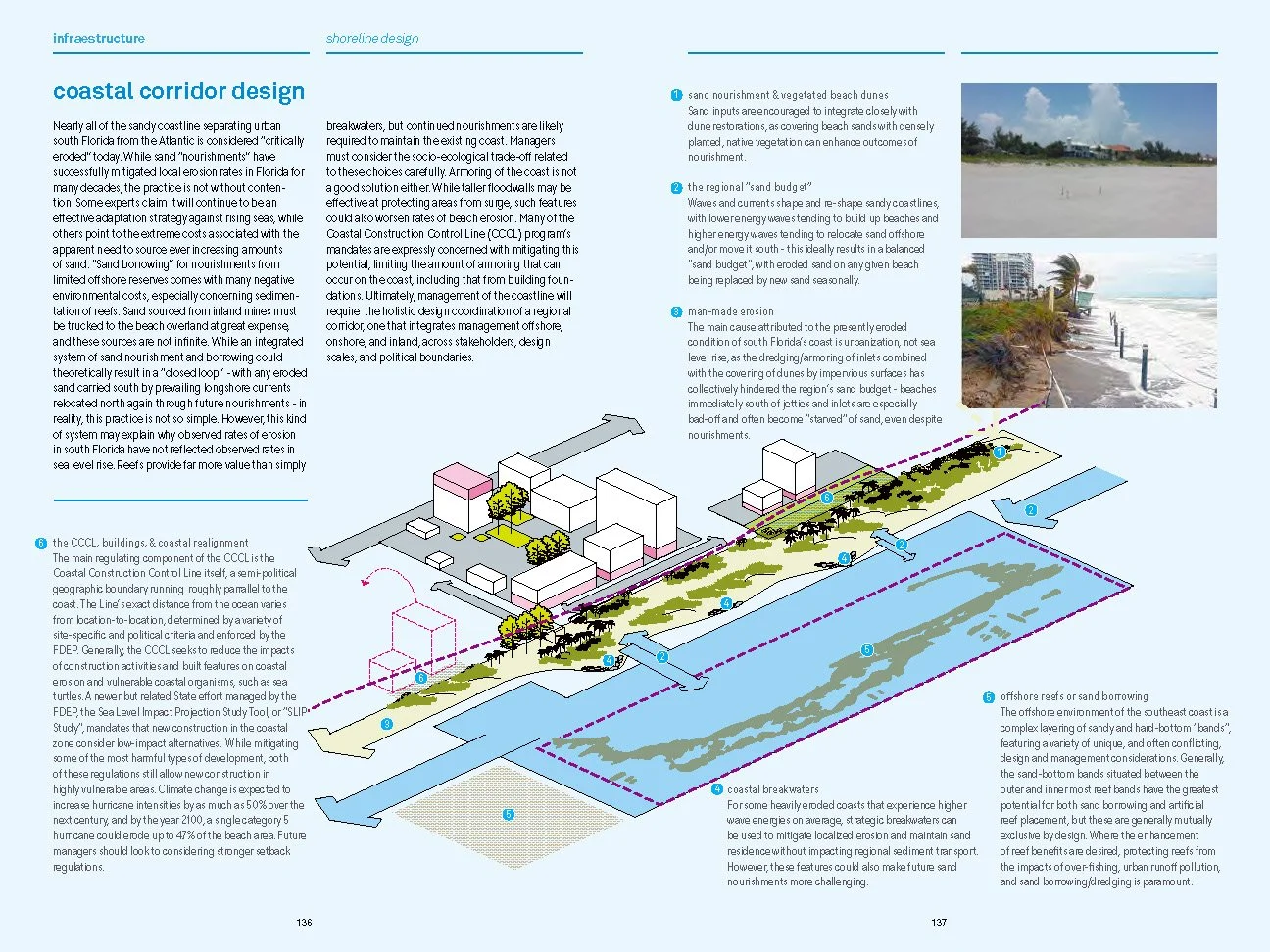
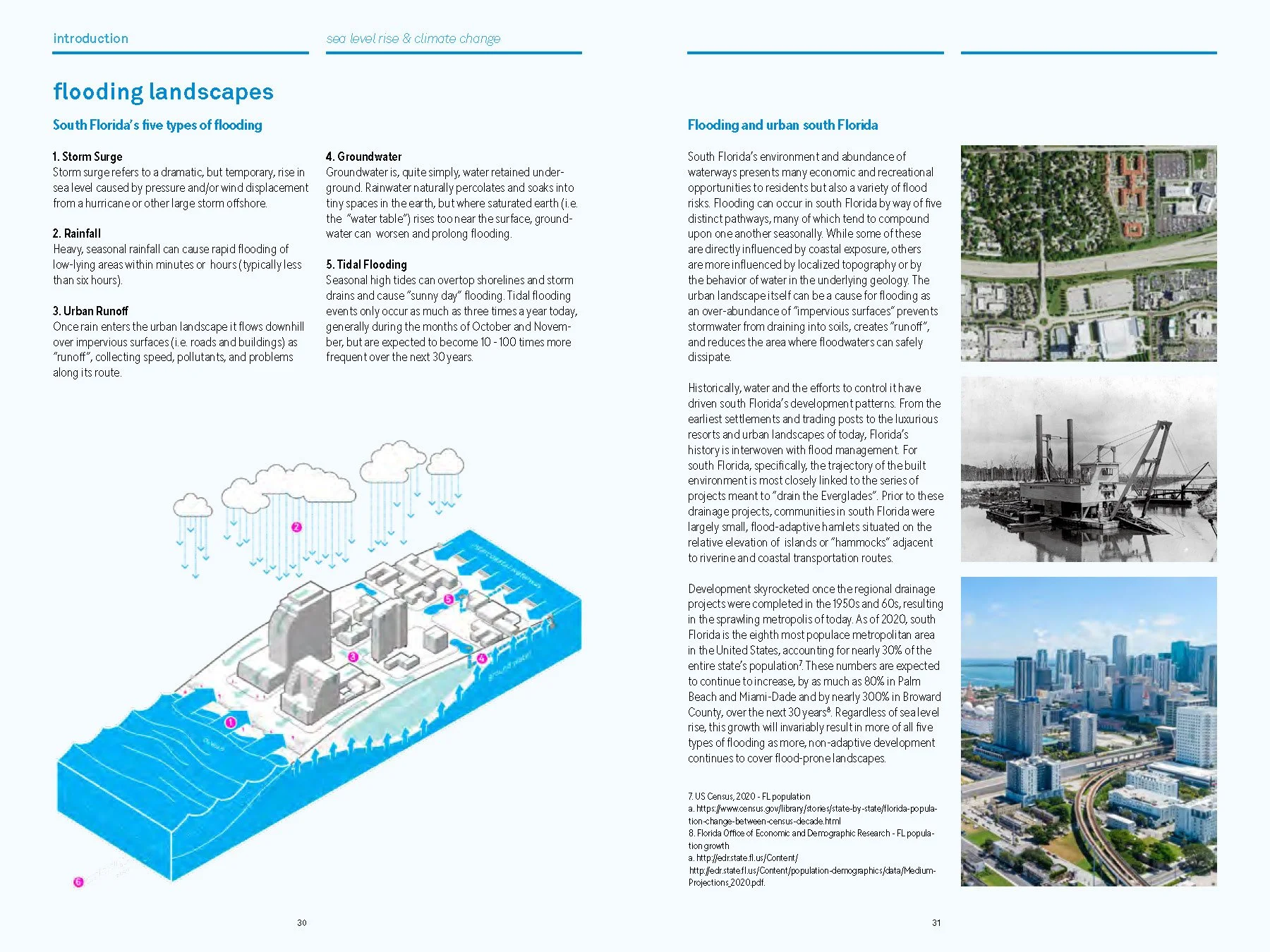

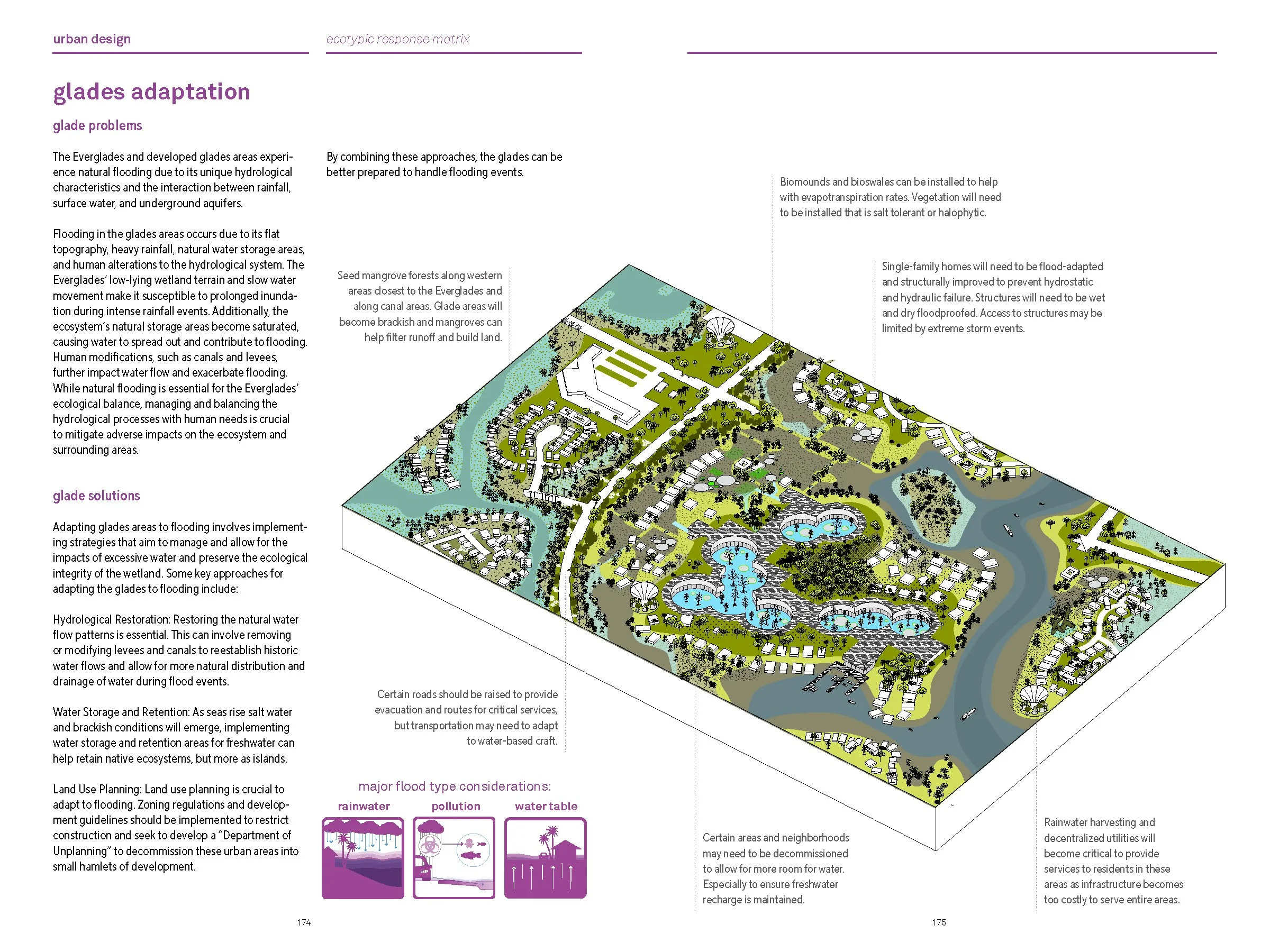
Written by principal Jeffrey Huber at Brooks Scarpa Huber, Salty Urbanism is a design manual created to address sea level rise and climate change for urban areas in the coastal zones. Salty Urbanism is a concept that refers to the ways in which cities and urban areas will respond and adapt to rising sea levels and the accompanying increase in salinity of coastal and near-coastal land. This phenomenon is caused by a combination of factors, including global warming, sea-level rise, and human development along coastlines. Salty Urbanism can have a significant impact on urban infrastructure, such as roads, buildings, and water supply systems. As saltwater infiltrates freshwater sources, it can damage pipes and other infrastructure, leading to costly repairs and maintenance. In response to Salty Urbanism, urban designers are exploring new strategies to adapt and mitigate the effects of rising sea levels and saltwater intrusion. These strategies include elevating buildings and infrastructure, implementing green infrastructure to absorb excess water, and developing coastal ecosystems to act as buffers against storm surges and flooding. Overall, Salty Urbanism highlights the urgent need for cities and urban areas to adapt and prepare for the ongoing and future impacts of climate change.
Trade Paperback Cover.
300 Pages.